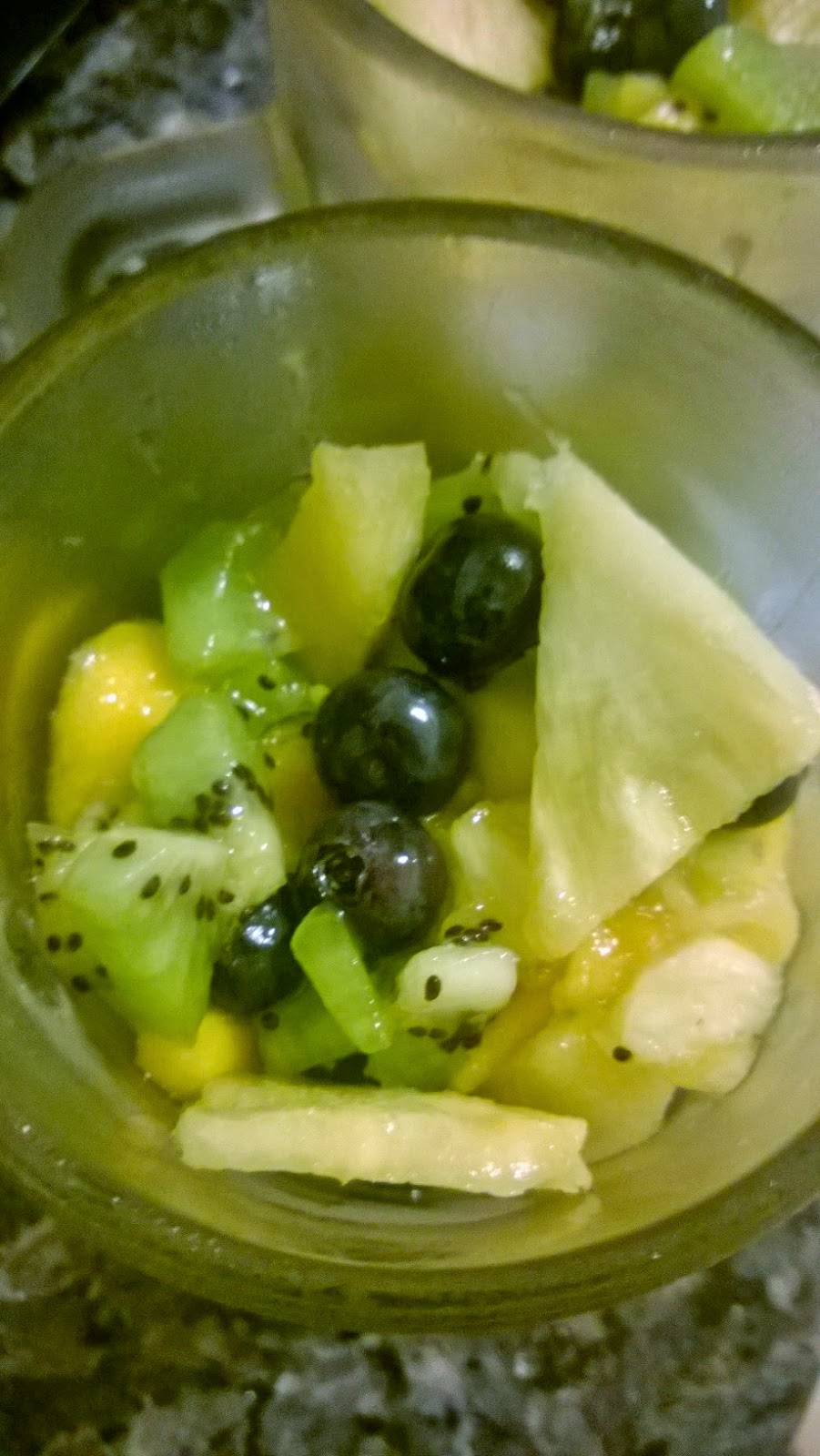
Antioxidants are compounds that have the ability to prevent or repair the damage cause by oxidation reactions in the human body. Antioxidants come in the form of vitamins, minerals or phytochemicals.

Our bodies naturally produce a small amount of free radicals in the process of energy production. However, a large accumulation of free radicals has been linked to many diseases including cancers, heart disease, type 2 diabetes, arthritis, Alzheimer's & Parkinson's.
Recently, researchers have been studying the connections between antioxidants and cancer prevention. We know that whole food sources of antioxidants like fruits vegetables and whole grains are more beneficial than artificially created antioxidant supplements. Studies have shown that populations consuming high amounts of whole food antioxidants have lower rates of cancer.
Vitamin antioxidants work by donating their electrons or hydrogen atoms to free radicals to stabilize them, reducing the damage caused by oxidation.
Examples include: Vitamin E, Vitamin A, and Vitamin C.
Food sources include:
Vitamin C content is high in cantaloupe, kiwi, citrus fruits, mango and pineapple.
Vitamin A can be made from the provitamin beta carotene which is found in carrots and spinach.

Mineral antioxidants act as cofactors, assisting enzymes in antioxidant enzyme systems that convert free radicals to less damaging substances for excretion. Mineral antioxidants also breakdown fatty acids that are oxidized, destroying the free radicals and making more antioxidant vitamins available.
Examples include: Selenium, Copper, Iron, Zinc and Manganese.
Food sources include:
Iron content is high in meat, chickpeas, pumpkin seeds, lentils, soy and spinach.
Selenium content is high in nuts, seafood, whole grains, seeds and mushrooms.

Antioxidant phytochemicals help stabilize free radicals similar to antioxidant vitamins.
Examples include: Beta-Carotene, Apigenin, Anthocyanins, Catechins, and Glucosinolates.
Food sources include:
EGCG found in tea, especially green tea.
Resveratrol found in the skins of grapes, blueberries and raspberries
Ellagic Acid found in berries, pomegranate and walnuts.
Sulfoaphane found in broccoli, Brussels sprouts and cabbages.

The best way to get the health benefits of antioxidants is to incorporate a variety of types into your diet. Eat the rainbow, incorporate a range of colors of fruits and vegetables on your plate.